
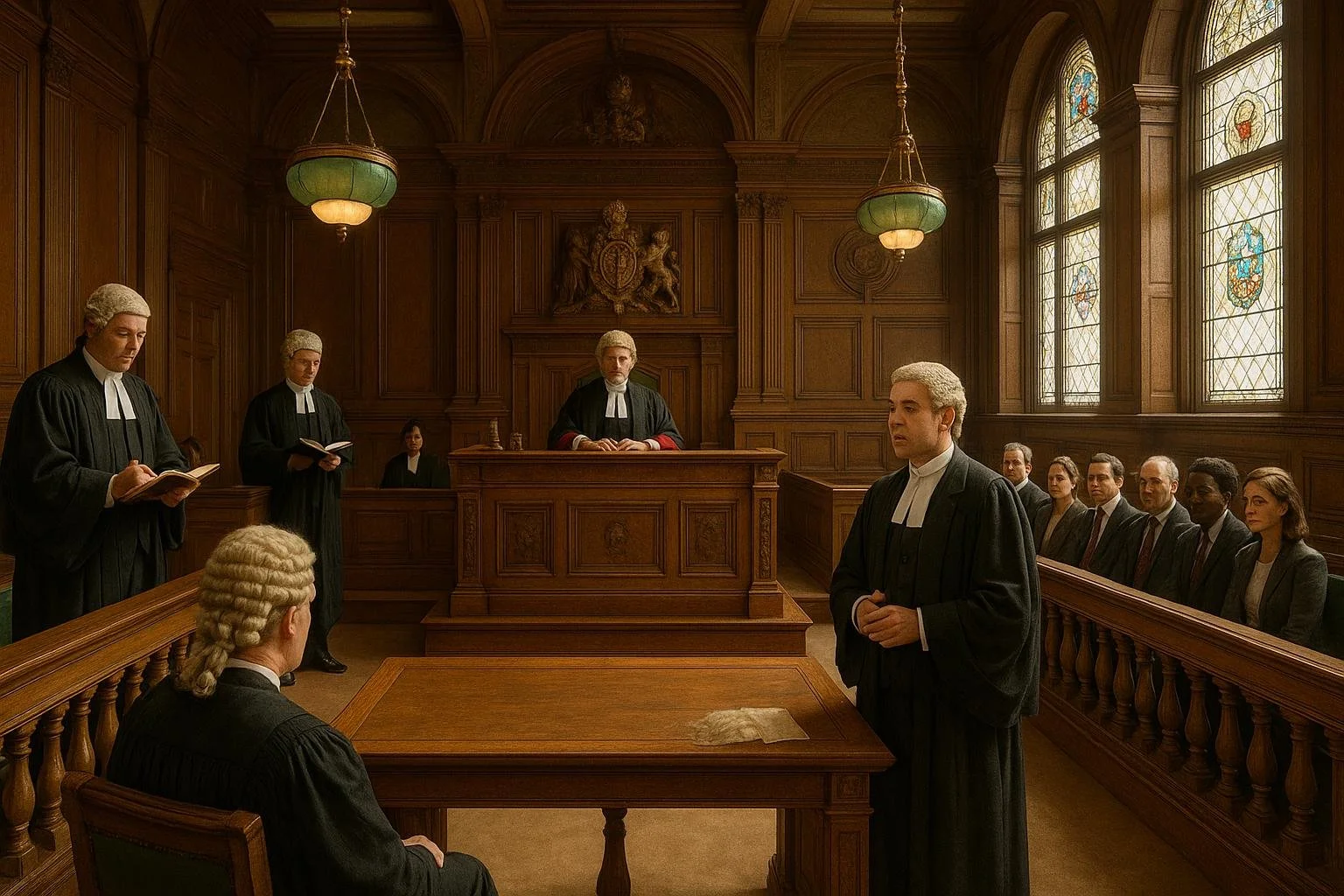

Courtroom Confidence: Giving Better Evidence
A 3-Hour Online Masterclass for Witnesses, Professionals & Business Representatives
Delivered by experienced Chancery and Commercial Barristers (England & Wales)
Course Overview
Giving evidence can be one of the most challenging moments for any professional, manager, or individual involved in a legal dispute. Whether in the County Court, High Court, or a tribunal, your credibility, clarity, and composure directly influence how your evidence is received.
“Courtroom Confidence: Giving Better Evidence” is a focused, interactive session designed to help anyone required to give evidence — whether as a party, company representative, or professional/expert witness — to understand what to expect, avoid common pitfalls, and deliver clear, persuasive, and credible evidence.
Learning Outcomes
By the end of this session, participants will:
Understand the structure and purpose of giving evidence in court or tribunal hearings.
Recognise the roles of the judge, advocates, and other participants in the process.
Learn how to prepare effectively for examination and cross-examination.
Develop techniques for staying calm under questioning and managing nerves.
Understand what makes evidence credible, consistent, and persuasive.
Know how to handle difficult or hostile questions with composure.
Gain insight into courtroom etiquette, language, and communication style.
Leave with practical tips, checklists, and strategies for giving better evidence.
Duration
3 hours (live online via Teams)
Includes short breaks, interactive exercises, and Q&A.
Course Outline
1. Understanding the Process
The role of the witness in civil proceedings and tribunals
The sequence of a hearing: from oath to cross-examination
Who asks questions and why: the roles of judge, counsel, and parties
What judges look for in a good witness
2. Preparing to Give Evidence
Reviewing your witness statement effectively
Refreshing memory without leading or rehearsing improperly
Understanding your duty to the court
Key documents, exhibits, and how to refer to them
Managing anxiety and nerves before the hearing
3. Delivering Clear and Credible Evidence
Verbal and non-verbal communication skills
Tone, pace, and clarity — how to speak so you’re understood
Staying composed under pressure
Recognising and avoiding advocacy traps
Dealing with “I don’t know” or “I can’t remember”
Managing difficult or unfair questioning
4. The Cross-Examination Experience
What barristers are trying to achieve
Spotting and responding to leading or loaded questions
Keeping answers concise, accurate, and neutral
Handling challenges to your credibility or reliability
Staying professional even when provoked
5. Practical Exercise: Simulated Cross-Examination
Short mock exercise based on a sample witness scenario
Barrister conducts brief questioning; group observes
Group discussion: what went well, what could improve
Key lessons distilled
6. Takeaway Toolkit
“Top 10 Tips for Giving Better Evidence”
Courtroom etiquette checklist
Witness preparation guide (for self or HR/legal teams)
Certificate of completion
Who Should Attend
Business owners, directors, and managers likely to appear in court
Professionals or experts giving factual or opinion evidence
HR, compliance, and risk professionals involved in disputes
Litigants in person or company representatives
Anyone wishing to understand the witness experience in civil proceedings
Format & Delivery
Live online session with experienced barrister
Small group format for interaction and questions
Includes live Q&A and optional follow-up materials